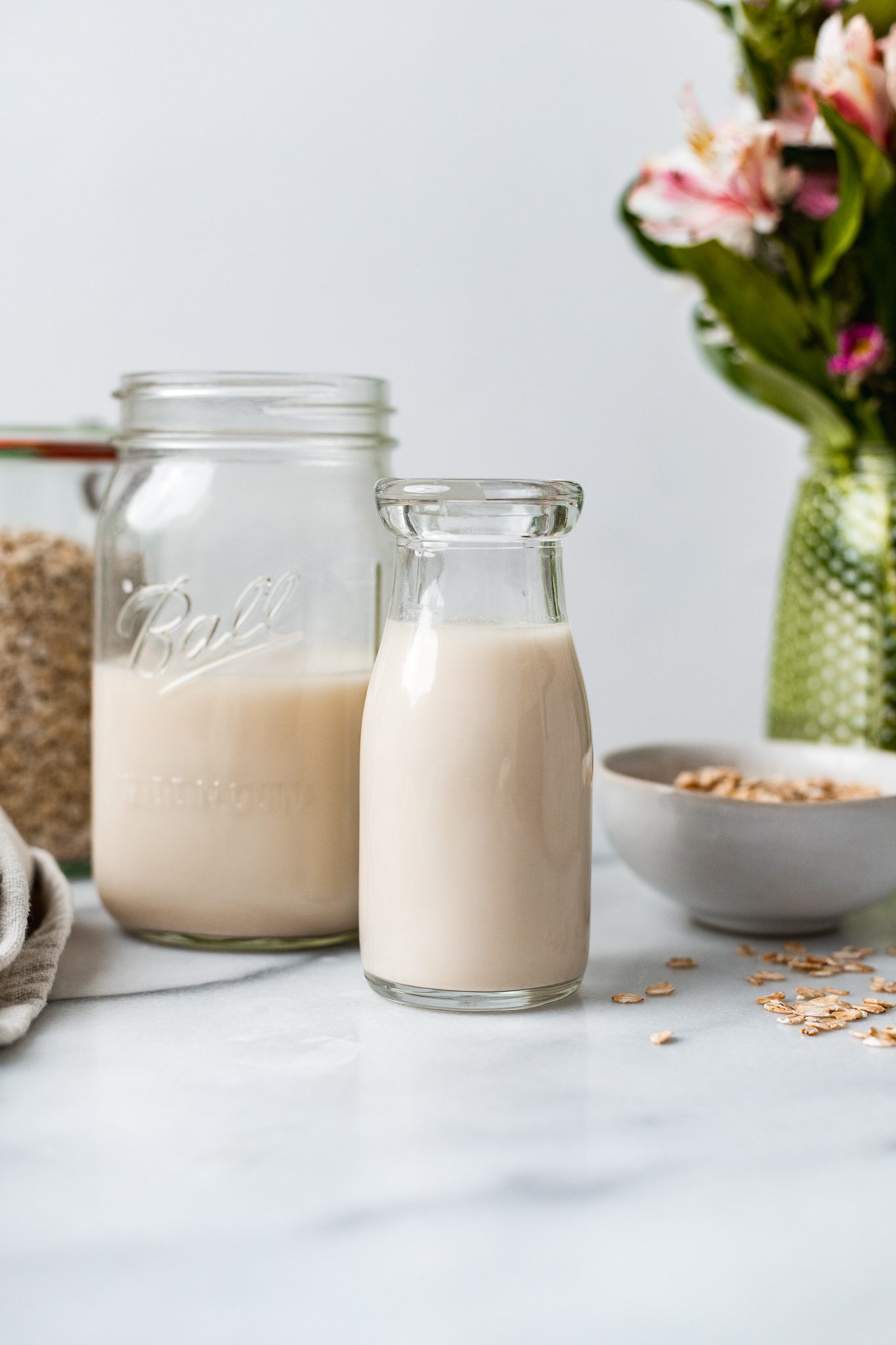
Ditch the Goo: Master the Art of Non-Slimy Homemade Oat Milk
Are you tired of watery, flavorless, or worse yet, *slimy* homemade oat milk? Have you gazed longingly at store shelves, only to balk at the high prices and questionable ingredients lurking in commercially produced versions? You're not alone. For many health-conscious individuals and budget-savvy home cooks, the quest for truly delicious, homemade oat milk that isn't slimy has been a frustrating journey. But what if we told you that achieving a silky-smooth, perfectly creamy, and genuinely non-slimy oat milk at home is not only possible but surprisingly simple with the right techniques?
Say goodbye to the disappointment of failed attempts and the expense of store-bought alternatives. This comprehensive guide will equip you with the essential knowledge and foolproof methods to create a batch of non-slimy homemade oat milk that will rival (and likely surpass) anything you've ever bought. Get ready to elevate your morning coffee, smoothies, and cereal with a dairy-free delight that's pure, wholesome, and incredibly satisfying.
Why Ditch Store-Bought Oat Milk? The Health & Wallet Benefits
The rise of oat milk has been meteoric, and for good reason. It's a versatile, naturally sweet, and often allergen-friendly alternative to dairy. However, a quick glance at the ingredient list of many popular store-bought oat milks reveals a less-than-ideal reality. These products, while convenient, are frequently laden with a host of additives that can undermine your health goals:
- Seed Oils: Many commercial oat milks contain inflammatory seed oils like canola or sunflower oil, added for texture and shelf stability, but often detrimental to our health.
- Gums and Emulsifiers: Ingredients like xanthan gum, gellan gum, or dipotassium phosphate are common, used to prevent separation and create a creamy mouthfeel. While generally recognized as safe, they are still processed additives.
- Added Sugars: Even "original" varieties can have added sugars, contributing to unnecessary sugar intake.
- Preservatives: To extend shelf life, various preservatives are often included.
Beyond the ingredient list, the cost factor is significant. A single carton of oat milk can be surprisingly expensive, especially when you consider that its primary ingredients—oats and water—are among the most affordable pantry staples. By making your own, you gain complete control over what goes into your body, eliminate unwanted additives, and save a considerable amount of money in the long run. It's an empowering step towards a cleaner, healthier, and more economical lifestyle.
The Quest for Perfect, Non-Slimy Homemade Oat Milk
The journey to perfecting homemade oat milk can feel like a culinary odyssey. Many enthusiasts, ourselves included, have faced countless frustrating incidents: the dreaded watery consistency that makes your coffee taste weak, an unpleasant earthy flavor, or the most common complaint – a viscous, slimy texture that turns an otherwise refreshing drink into an unappetizing goo. These early failures often lead people back to expensive store-bought options or to abandon oat milk altogether.
The truth is, those initial attempts, often guided by well-meaning but incomplete online recipes, missed a few critical nuances. Developing a truly great recipe for homemade oat milk that isn't slimy requires meticulous testing, understanding the properties of oats, and fine-tuning the process. It's about precision and technique, not just throwing oats and water into a blender. Fortunately, the secrets have been uncovered, and we're here to share them so your homemade oat milk can be consistently smooth, creamy, and utterly delicious.
The Golden Rules: How to Make Homemade Oat Milk That Isn't Slimy
The key to unlocking truly remarkable, non-slimy homemade oat milk lies in adhering to a few fundamental principles. These aren't just suggestions; they are non-negotiables that dictate the final texture and taste of your creation.
Choose Your Oats Wisely: Rolled Oats are King
The type of oat you select is perhaps the most critical decision in your oat milk journey. Not all oats are created equal when it comes to preventing sliminess:
- Rolled Oats (Old-Fashioned Oats): These are your best friend. Rolled oats are steamed and flattened, making them processed enough to blend easily without becoming overly gummy, yet still robust enough to retain their structure during a quick blend. They provide that ideal balance for a creamy, non-slimy texture.
- Avoid Steel-Cut Oats: While wholesome, steel-cut oats are minimally processed and very dense. They require significantly longer blending and soaking times, which dramatically increases the risk of excessive starch release and a thick, slimy result.
- Steer Clear of Instant or Quick Oats: On the other end of the spectrum, instant oats are pre-cooked and finely cut, making them too processed. They break down almost instantly in the blender, releasing too much starch too quickly and virtually guaranteeing a slimy, glue-like consistency.
So, for consistently perfect results, reach for the bag of old-fashioned rolled oats. They are widely available, economical, and the undisputed champion for making homemade oat milk that isn't slimy.
Master the Water Temperature: Keep It Chilly
This might seem like a minor detail, but using very cold water is a game-changer. The colder the water, the better your chances of achieving a smooth, non-slimy homemade oat milk. Why? Cold water helps to inhibit the release of excess starches from the oats. When oats come into contact with warm or even room-temperature water during blending, their starches activate and swell more rapidly, leading to that undesirable gelatinous texture. For best results, ensure your water has been chilling in the fridge for several hours before you begin.
The Art of Blending: Speed and Precision
When it comes to blending, less is absolutely more. Over-blending is one of the primary culprits behind slimy oat milk. The friction and heat generated by prolonged blending can cause the oats to break down too much, releasing an abundance of starches that result in a thick, gummy texture. Here’s how to blend perfectly:
- High-Speed Blender: A powerful blender is key. It allows you to achieve maximum breakdown of the oats in minimal time.
- Optimal Blending Time: Blend your oats and cold water for precisely 20-30 seconds. This is typically enough to thoroughly combine and extract the flavor and creaminess without over-processing. Any longer, and you risk venturing into slimy territory.
For more detailed tips on achieving the ideal consistency, check out this guide on Homemade Oat Milk: Get Creamy, Never Slimy Texture.
No Soaking, No Pushing: Gentle Extraction is Key
These two rules are crucial for preventing sliminess and ensuring a smooth finish:
- Never Soak Your Oats: While soaking is common for many nut milks, it's a definite no-go for oat milk. Soaking oats, even briefly, kickstarts the starch release process before blending, virtually guaranteeing a slimy outcome. Blend them dry with your cold water.
- Strain Twice, Gently: Once blended, the method of straining is paramount. First, use a fine-mesh sieve or, ideally, a nut milk bag. Strain the mixture into a clean bowl. The crucial second step involves straining it again through the same or another clean nut milk bag. This double-straining removes any remaining fine oat particles, ensuring an ultra-smooth, non-grainy texture. The key is to let gravity do the work – never squeeze or push the oat pulp through the strainer. Squeezing forces extra starches and fine particles into your milk, leading straight to sliminess. Be patient and gentle.
Elevate Your Homemade Oat Milk: Flavor & Storage Tips
Once you’ve mastered the art of making homemade oat milk that isn't slimy, you can personalize it further. While plain oat milk is wonderfully versatile, a few simple additions can take it to the next level:
- Sweeteners: A touch of maple syrup, agave nectar, or a couple of dates can enhance the natural sweetness of the oats. Start with a small amount and adjust to taste.
- Flavor Boosters: A splash of vanilla extract or a pinch of salt can round out the flavor beautifully. Consider a dash of cinnamon or cocoa powder for a flavored treat.
Storage: Store your homemade oat milk in an airtight container or glass bottle in the refrigerator. It typically lasts for 4-5 days. Separation is natural (it means you have fewer additives!), so simply give it a good shake before each use.
Your fresh, delicious, and perfectly creamy oat milk is now ready for a myriad of uses! Enjoy it poured over your favorite cereal, blended into smoothies, frothed for lattes, or used in baking and cooking. The possibilities are endless when you have a wholesome, additive-free alternative at your fingertips.
Making homemade oat milk that isn't slimy is an immensely rewarding endeavor. By following these tried-and-true techniques—selecting the right oats, using ice-cold water, blending for a short duration, and straining gently—you'll consistently produce a creamy, smooth, and delicious plant-based milk. Embrace the control, enjoy the savings, and savor the superior taste of your very own perfectly crafted oat milk. Say goodbye to store-bought, and hello to homemade perfection!
