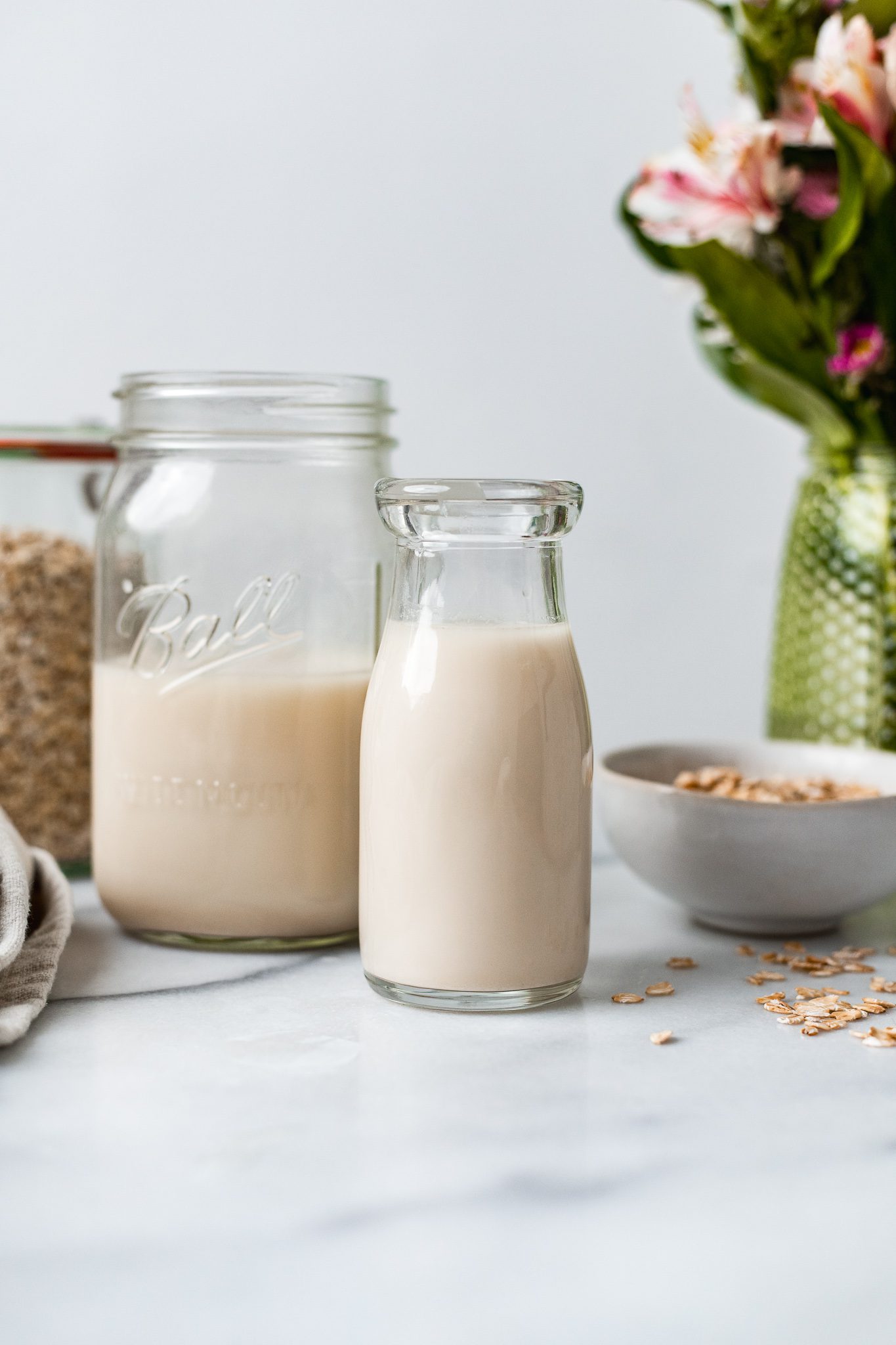
Unlock the Secret to Creamy, Non-Slimy Homemade Oat Milk
For many, homemade oat milk promises a wholesome, dairy-free alternative that's both economical and delicious. Yet, the journey to a perfectly smooth, creamy batch often hits a snag: that dreaded slimy, gummy texture. If you've ever found yourself wondering how to make homemade oat milk that isn't slimy, you're not alone. Countless home cooks have battled watery concoctions or viscous failures, leading many to abandon the endeavor altogether. But what if we told you that achieving the ideal, velvety consistency is not only possible but surprisingly simple, provided you know a few crucial secrets?
After extensive testing and refining, the mystery of the perfect oat milk has been demystified. Forget the endless frustration of past attempts; this guide is your definitive resource to crafting oat milk so good, you'll never look back at store-bought versions again. Prepare to discover the critical techniques and insights that transform basic oats and water into a luscious, non-slimy delight.
Why Homemade Oat Milk Trumps Store-Bought Every Time
Beyond the satisfaction of creating something from scratch, choosing to make your own oat milk offers a multitude of compelling benefits. The convenience of store-bought cartons often comes with a hidden cost: an array of additives, preservatives, and sometimes even seed oils designed to extend shelf life or enhance texture. While brands often market their products as "natural," a closer look at the ingredient list can reveal items that many consumers prefer to avoid in their daily diet.
Making your own oat milk gives you complete control. You know precisely what goes into your blender: simple, wholesome ingredients you can pronounce. This transparency is invaluable for those with dietary sensitivities or a desire to reduce their intake of highly processed foods. Furthermore, the financial savings over time are significant. A bag of oats is considerably cheaper than multiple cartons of specialty milk, making homemade oat milk a smart choice for your wallet and your health. Imagine enjoying a rich, creamy beverage in your coffee, cereal, or desserts, knowing it's free from unnecessary fillers and harmful ingredients.
The journey to developing a truly non-slimy, delicious homemade oat milk often stems from a personal quest for something better. Many, like those who inspired this perfected method, spent months or even years frustrated with existing online recipes that yielded disappointing results – either too thin, too slimy, or simply unpleasant tasting. This dedication to finding a superior solution underscores the passion for providing a genuinely beneficial alternative that finally delivers on the promise of homemade goodness.
The Science of Non-Slimy: Key Techniques for Perfect Texture
The battle against slimy oat milk boils down to understanding the starches within the oats. Oats naturally contain a high amount of soluble fiber and starches. When these starches are excessively broken down or agitated, they release into the water, creating that characteristic gummy or slimy texture we all dread. The good news is, armed with a few simple techniques, you can effectively manage this starch release and achieve a consistently smooth, creamy result.
1. The Right Oats Make All the Difference
Not all oats are created equal when it comes to making milk. This is perhaps one of the most fundamental revelations. The type of oat you choose significantly impacts the final texture of your milk:
- Rolled Oats (Old-Fashioned Oats): These are your champions. Rolled oats strike the perfect balance – they are processed enough to blend easily without requiring excessive blending time, yet not so processed that they break down too quickly into a starchy goo. They are the "sweet spot" for achieving that desired creamy consistency.
- Avoid Steel-Cut Oats: While incredibly wholesome, steel-cut oats are too coarse and hard. They demand a much longer blend time and often a pre-soak, both of which are recipes for slimy disaster as they promote maximum starch release.
- Avoid Instant or Quick Oats: On the other end of the spectrum, instant or quick oats are too processed. Their fine texture means they break down almost instantly in the blender, releasing starches far too rapidly and inevitably leading to a slimy, thick consistency.
So, remember: always reach for rolled oats for your homemade oat milk endeavors.
2. The Crucial Role of Cold Water
This is a non-negotiable tip: you must use very cold water. We're not talking about room temperature water or even slightly chilled water; think ice-cold, straight-from-the-fridge water that has been chilling for several hours. Why? Cold water actively inhibits the release of oat starches during the blending process. Warm or even ambient water encourages the starches to bloom, resulting in a significantly slimier milk. Using frigid water is a simple yet profoundly effective way to prevent goo and ensure a silky-smooth finish.
3. No Soaking Allowed
Contrary to many traditional nut milk recipes, soaking your oats before blending is a huge no-no for oat milk. Soaking hydrates the oats and prematurely activates their starches, making them highly prone to sliminess once they hit the blender. Skip this step entirely to keep those starches locked away until it's time to briefly blend.
4. Blend Just Enough, Not More
When it comes to blending, less is definitely more. Over-blending is one of the primary culprits behind slimy oat milk. Blending for too long continues to break down the oats, releasing more and more starch into the water. Aim for a quick burst – typically 20-30 seconds in a high-speed blender is sufficient to combine the ingredients and break down the oats without over-processing them. Your goal is to create a milky liquid, not a finely pulverized oat paste.
5. The Art of Straining (and Double Straining)
Proper straining technique is critical for a smooth, palatable homemade oat milk. After blending, pour your mixture through a fine-mesh sieve lined with a nut milk bag or cheesecloth. Here are the key points:
- Be Gentle: Let gravity do the work. Resist the urge to squeeze or push the oat pulp through the strainer. Squeezing forces more of the starchy solids through, contributing to a slimier texture. Just allow the milk to drain naturally.
- Strain Twice for Ultimate Smoothness: While one strain is good, a second strain is transformative. Straining the milk a second time removes any remaining fine particles, guaranteeing an ultra-smooth, velvety texture that’s entirely free from graininess. This extra step is well worth the effort for that premium feel.
For more detailed step-by-step instructions and to truly master the art of non-slimy oat milk, be sure to check out our comprehensive guide: Ditch Store-Bought: Make Non-Slimy Homemade Oat Milk. It breaks down the process with even more actionable advice.
Crafting Your Perfect Batch: Beyond the Basics
Once you've mastered the foundational techniques for non-slimy oat milk, you can elevate your homemade creation with simple additions. While the core recipe is just oats and water, a few optional ingredients can enhance the flavor profile and mimic the taste of your favorite store-bought varieties:
- A Pinch of Salt: A tiny dash of salt (like a quarter teaspoon per batch) can remarkably brighten the flavor of your oat milk, balancing its natural sweetness.
- A Splash of Sweetness: For a subtly sweet milk, add a teaspoon or two of maple syrup, agave nectar, or a date (pitted, blended with the oats). Adjust to your preference.
- Vanilla Extract: A half teaspoon of pure vanilla extract can add a delightful aromatic depth, making your oat milk even more irresistible.
Combine your chosen rolled oats with very cold water and any optional flavorings in your high-speed blender. Blend for just 20-30 seconds. Strain gently twice, and you'll be left with a beautiful, creamy, and gloriously non-slimy oat milk ready for anything from coffee to smoothies or simply enjoyed straight. Store your homemade oat milk in an airtight container in the refrigerator for up to 4-5 days. It's normal for it to separate slightly; just give it a good shake before each use.
These essential tips are game-changers in the world of plant-based milks. If you're still looking for additional hacks and secrets to perfecting your oat milk, don't miss our detailed article: Unlock Perfect Oat Milk: Essential Tips for No Slimy Goo.
Conclusion: Embrace the Creamy Revolution
The journey to perfecting homemade oat milk that isn't slimy can feel like a culinary quest, but with the right knowledge and techniques, it's an incredibly rewarding one. By understanding the critical roles of rolled oats, very cold water, minimal blending, and gentle double-straining, you can confidently create a lusciously creamy, smooth, and delicious plant-based milk every single time. Say goodbye to harmful additives, high prices, and the disappointment of slimy textures. Embrace the control, health benefits, and incredible flavor of homemade oat milk, and transform your kitchen into a haven of wholesome goodness.
